





|
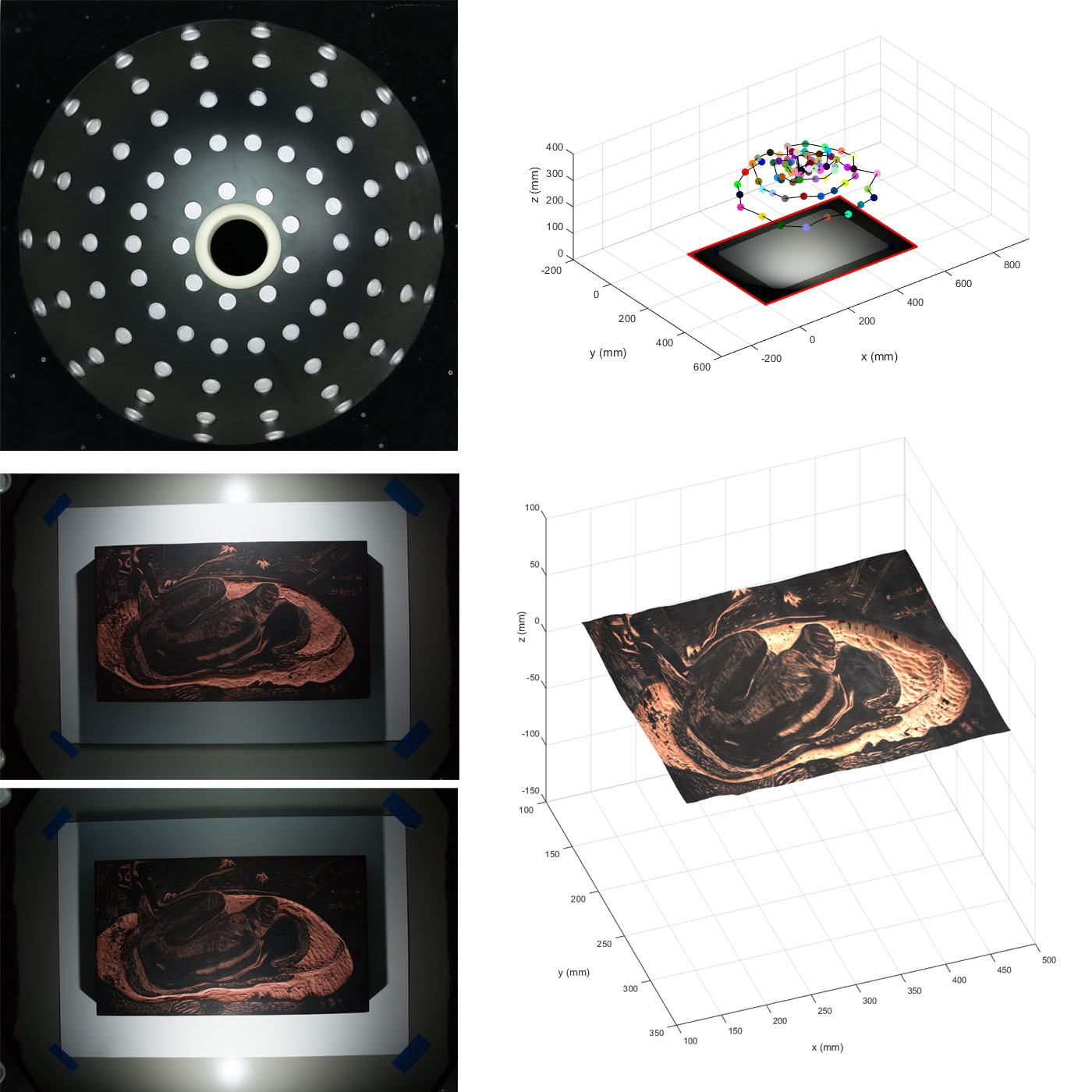
Near Light Correction for Image Relighting and 3D Shape Recovery
|
|
Surface Shape Studies of the Art of Paul Gauguin
|
|
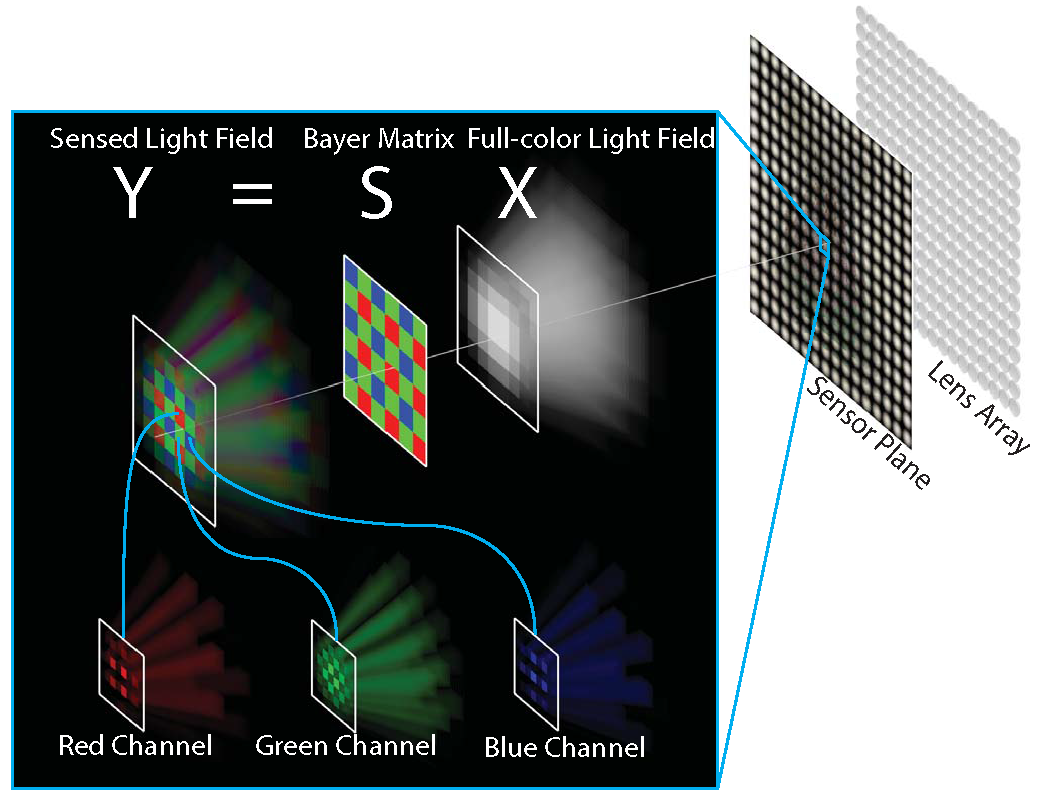
Dictionary Learning based Color Demosaicing for Plenoptic Cameras
|
|
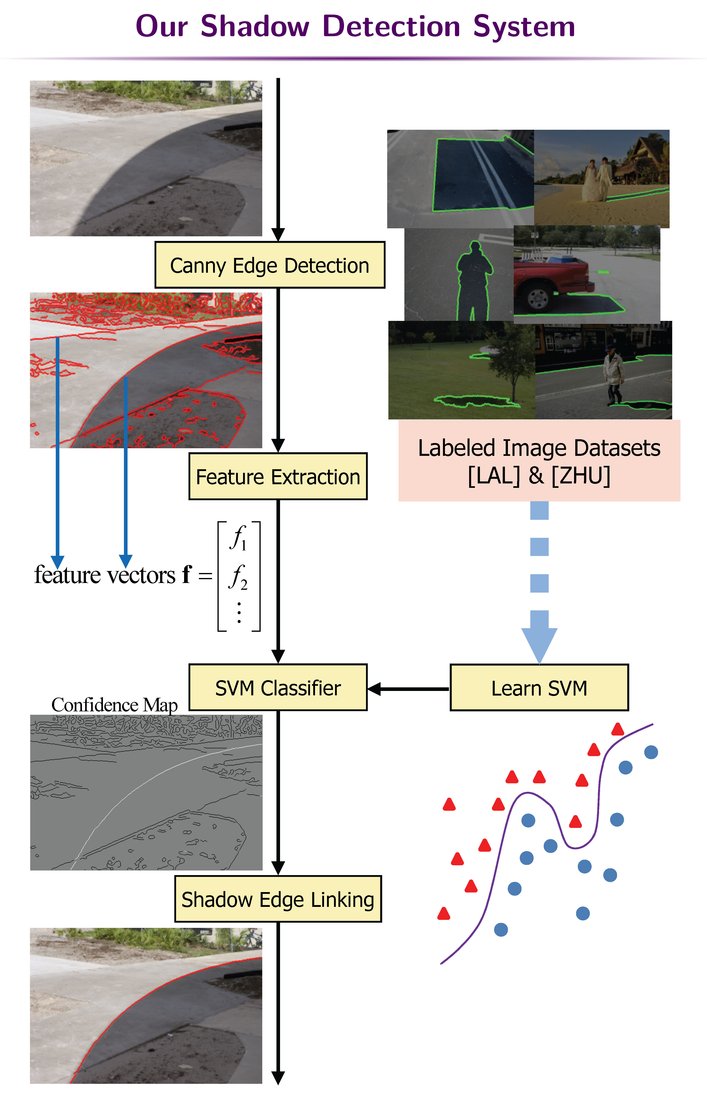
What Characterizes a Shadow Boundary under the Sun and Sky? Despite decades of study, robust shadow detection remains difficult, especially within a single color image. We describe a new approach to detect shadow boundaries in images of outdoor scenes lit only by the sun and sky. The method first extracts visual features of candidate edges that are motivated by physical models of illumination and occluders. We feed these features into a Support Vector Machine (SVM) that was trained to discriminate between most-likely shadow-edge candidates and less-likely ones. Finally, we connect edges to help reject non-shadow edge candidates, and to encourage closed, connected shadow boundaries. On benchmark shadow-edge data sets, our method showed substantial improvements when compared to other recent shadow-detection methods based on statistical learning. |
|
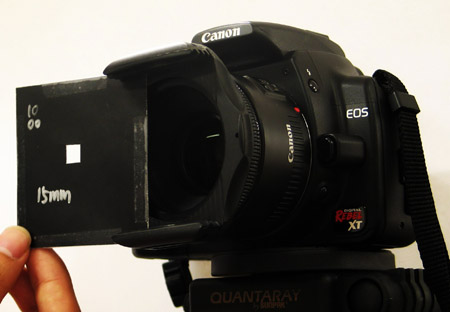
Sensing Increased Image Resolution Using Aperture Masks We investigated a technique to construct increased-resolution images |
|
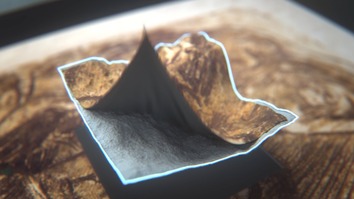
Deep Shadows in a Shallow Box We present a fast, low-cost technique to gather high-contrast `relightable' photographs of desktop-sized objects. By removing the ambient light computationally, we generate high-contrast deep shallow images from originally captured low-contrast shallow shadow images. |
|
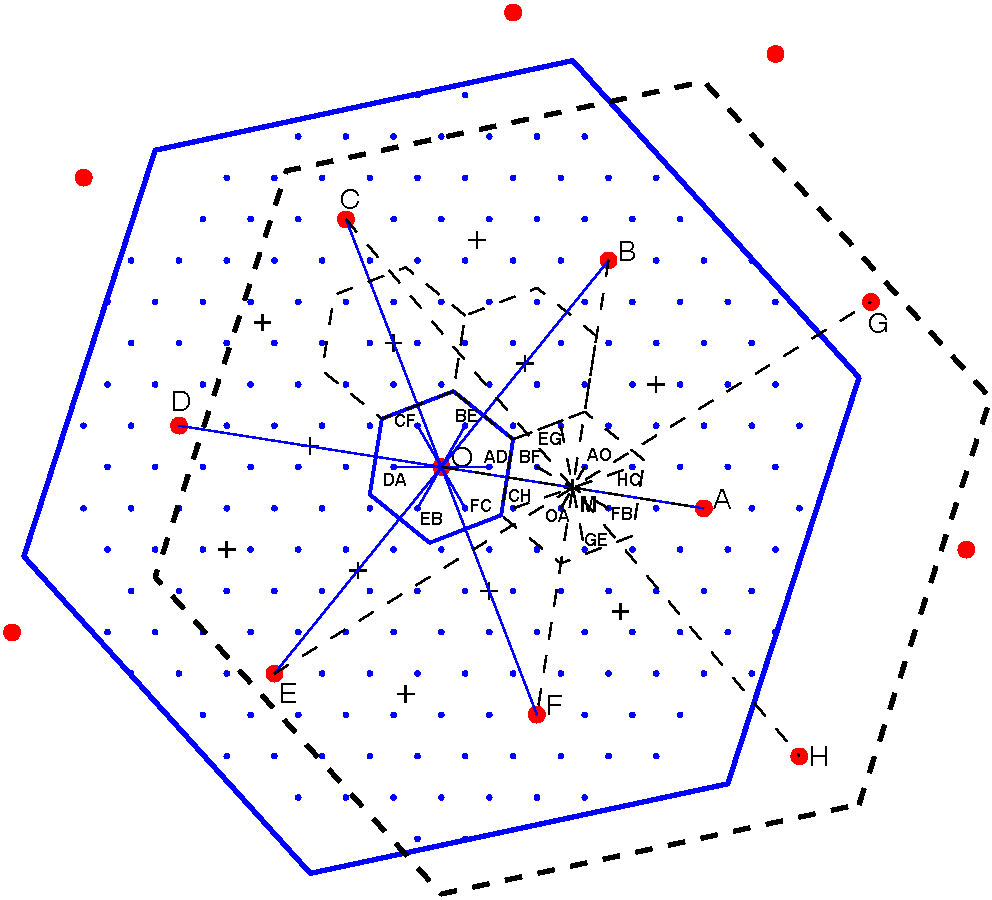
Multiple Description Lattice Vector Quantization (MDLVQ) Multiple description coding is motivated by cooperate and distributed source coding for packet lossy networks. MDLVQ is an e ective multiple description coding scheme. We proposed an optimal linear-time MDLVQ index assignment algorithm. |